Common Causes Of Slit Valve Leaks And How To Prevent Them
Release time:2026-03-25
Visits:1245
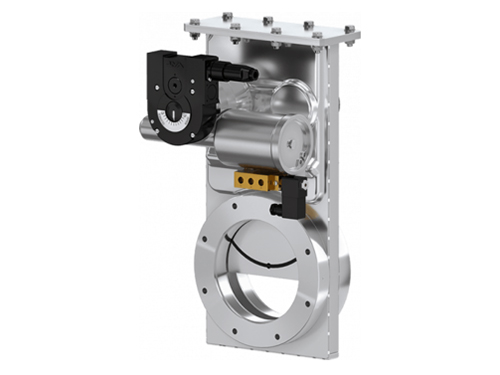
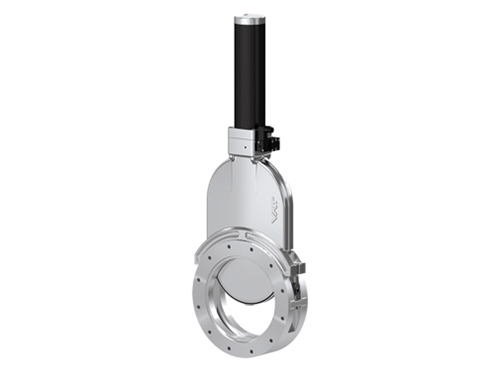
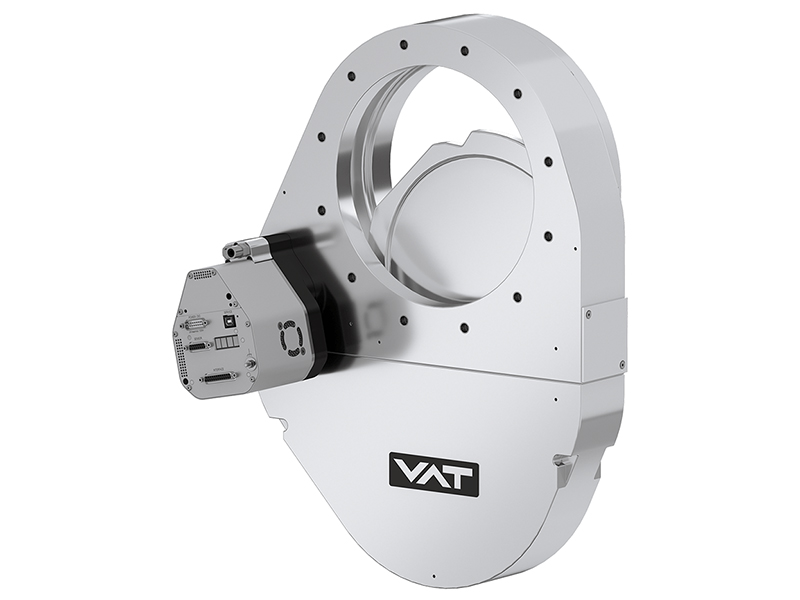
Vacuum leaks from slit valves are a common cause of process issues and unplanned downtime in semiconductor manufacturing. Understanding what causes these leaks and how to prevent them can help fabs maintain higher productivity and lower operating costs.
Why Slit Valve Leaks Are a Problem
Slit valves maintain vacuum isolation between chambers in cluster tools and vacuum transfer systems. Even a small leak can:
- Cause vacuum level degradation that affects process results
- Introduce contamination into process chambers
- Ruin entire batches of wafers
- Require emergency maintenance that disrupts production scheduling
- Increase cost through lost production
Catching and fixing leak issues early is much less costly than waiting for catastrophic failure.
Most Common Causes of Slit Valve Leaks
1. Worn or Damaged Seals
This is the most common cause of slit valve leaks. Over millions of open/close cycles, seals compress, wear, and degrade, especially in aggressive plasma or chemical environments. FFKM seals last much longer than other materials but still eventually require replacement.
Prevention: Follow a preventive replacement schedule based on cycle count. Don't wait for leaks to develop before changing seals.
2. Contamination on Sealing Surfaces
Particles and process residue can accumulate on sealing surfaces, preventing the door from closing fully against the seal. Even a small particle can create a leak path through the seal.
Prevention: Include sealing surface cleaning as part of routine maintenance. Use approved cleaning methods that don't damage the sealing surface.
3. Poor Alignment
Slit valve doors must maintain precise alignment with the seal mating surface. Over time, vibration and repeated cycling can cause alignment to drift, resulting in uneven sealing pressure and leaks.
Prevention: Check alignment during routine maintenance and readjust if necessary. This is especially important after any major maintenance or equipment moving.
4. Surface Damage to Door or Housing
Mechanical damage from improper handling, accidental impacts, or extreme process conditions can create micro-scratches or deformations on sealing surfaces that prevent proper sealing.
Prevention: Handle components carefully during maintenance. Inspect sealing surfaces for damage any time the valve is disassembled.
5. Incorrect Installation
Improper installation including incorrect torque on mounting bolts can cause distortion that prevents proper sealing.
Prevention: Follow manufacturer installation procedures carefully, including torque specifications and alignment checks.
What to Do When You Find a Leak
1. Confirm the leak location: Use helium leak detection to pinpoint the exact source
2. Inspect the seal: Check for visible damage, wear, or contamination
3. Inspect mating surfaces: Look for damage, contamination, or deformation
4. Replace worn components: Change the seal and any other worn components
5. Verify alignment: Check and adjust alignment if necessary
6. Re-test: After repair, re-test leak rate to confirm the fix
How Quality Manufacturing Reduces Leak Issues
The foundation of leak-free slit valve performance starts with quality manufacturing. Precision machining of sealing surfaces, proper material selection, and thorough factory testing before shipment all contribute to long leak-free service life.
At Hitron, every slit valve goes through rigorous leak testing and quality inspection before leaving our factory, ensuring it meets specifications from day one.
Conclusion
Most slit valve leaks are preventable with proper maintenance, early inspection, and quality components. By following good maintenance practices and using high-quality replacement parts, you can maximize slit valve service life and minimize unexpected downtime.
---
Need replacement slit valves for your semiconductor equipment? Contact Hitron today for high-quality precision-engineered slit valves that deliver long leak-free service.