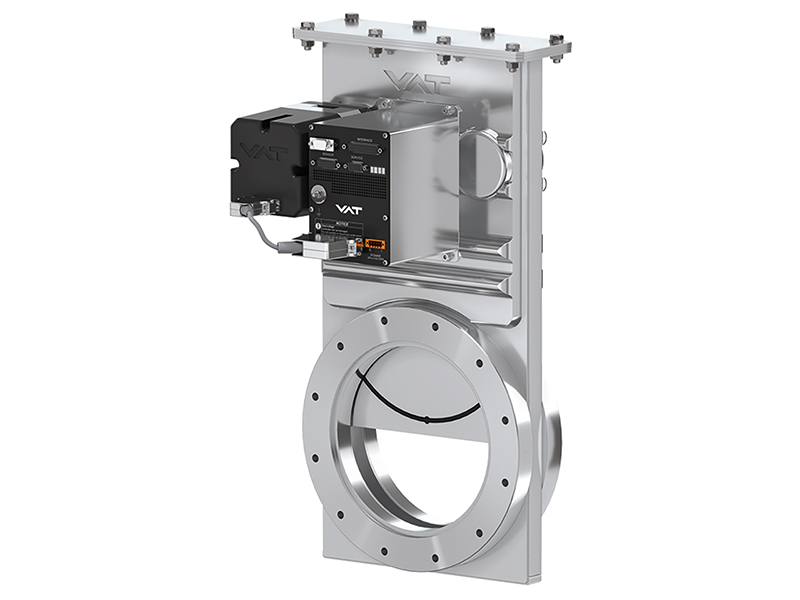
What Is a High Vacuum Transfer Valve?
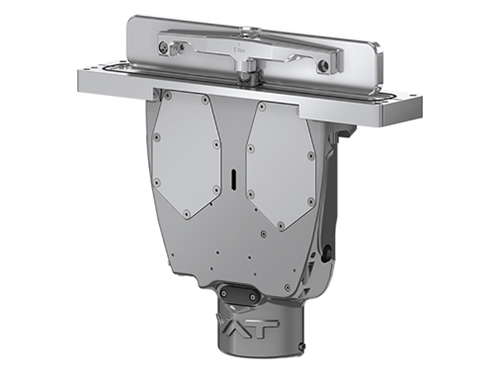
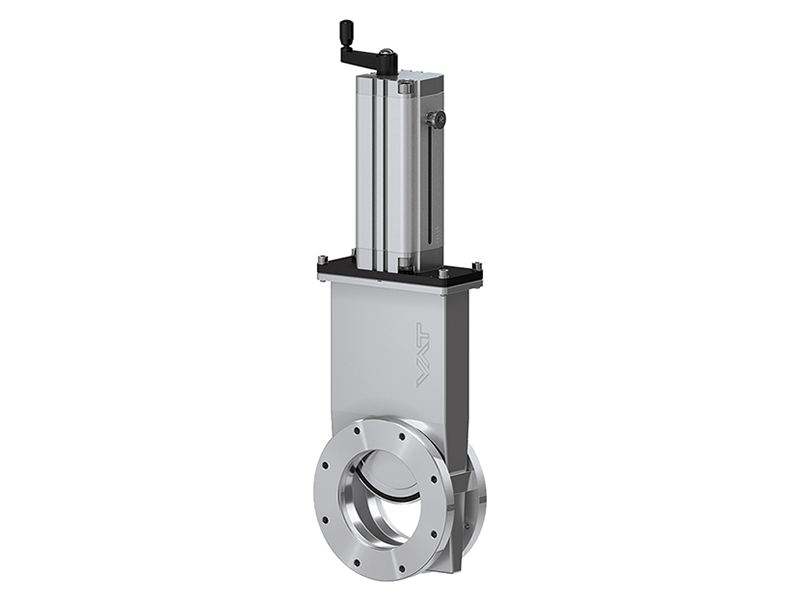
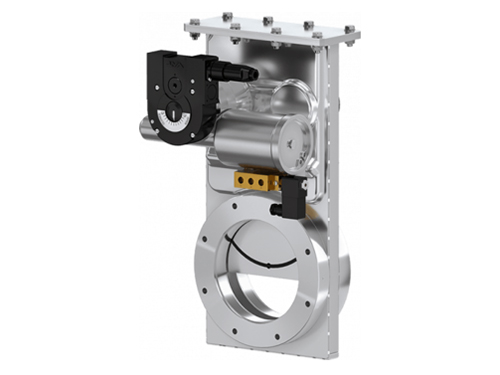
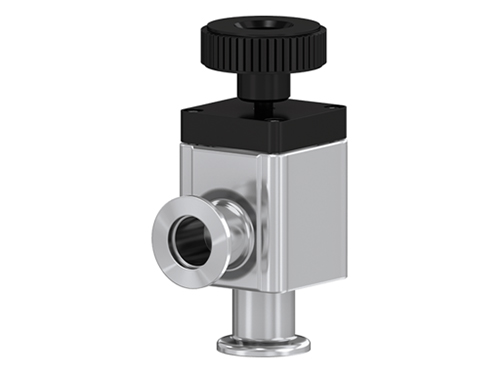
A high vacuum transfer valve — also known as a slit valve — is a precision-engineered device designed to isolate and connect vacuum chambers. Its primary function is to allow the transfer of substrates or wafers between chambers without compromising vacuum conditions. This capability is vital in processes requiring contamination-free environments, such as chemical vapor deposition (CVD), etching, and physical vapor deposition (PVD).
Key Functions:
Chamber Isolation: Prevents cross-contamination during substrate transfer.
Vacuum Integrity: Maintains ultra-high vacuum (UHV) levels, often down to 10^-9 mbar.
Process Compatibility: Operates reliably in corrosive and high-temperature environments.
Applications of High Vacuum Transfer Valves
High vacuum transfer valves are indispensable in industries and applications such as:
Semiconductor Manufacturing: For wafer transfer between load locks and process chambers.
Display Production: In large transfer valves designed for flat panel and OLED display fabrication.
Photovoltaic Systems: Handling substrates in solar cell manufacturing.
Research Laboratories: Where precise vacuum control and contamination prevention are critical.