High Vacuum Transfer Valve Duty Along The Load Lock To Process Path
Release time:2026-12-04
Visits:11
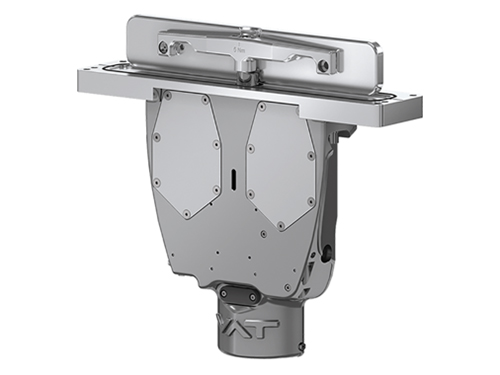
A wafer inside a cluster tool passes three closed gates before it reaches the process chamber, and each one is a high vacuum transfer valve with a different job. Treat them as one part number and the tool will punish you at the interface where the budget is tightest. Hitron supplies these valves for load lock, transfer and process positions. The walkthrough below follows one wafer along that path and states what each gate must hold and what a leaking one costs.
The First Gate: Load Lock to Transfer Chamber
Pressure crossover defines the duty
A load lock is the only place in the tool where one side of the gate sits at atmosphere while the other side pulls down toward 10⁻⁸ mbar. The plate therefore holds a differential that changes by roughly eight orders of magnitude inside a single cycle, and it does that on every wafer that enters the line. Leak rate alone does not describe this duty. A gate that passes a clean leak test cold can still fail the same test after a few thousand closures, because the elastomer has taken a set and no longer follows the seat.
Cycle count drives the design, not conductance
Load lock traffic equals wafer traffic. Every wafer crosses this gate twice, once going in and once coming out, so a tool that runs several hundred wafers a day is asking for a thousand closures before the week is over. The VAT (VAT Group AG) 10.8 series carries a rating of 50,000 maintenance-free cycles, and that figure is the yardstick most fabs use when they compare a load lock position against a transfer position. Hitron supplies VAT-compatible replacement valves and rebuild parts rather than licensed originals, so read any cycle figure on a quotation as the design target of the part.
Spare strategy follows the same number. A slot running a thousand closures a week reaches its rating inside a year, so one rebuilt valve on the shelf costs less than an idle chamber waiting for a seat to be replaced. Hitron keeps a localised spare parts inventory for that reason, and a rebuild exchange shortens the window when the tool is already down.
The transfer chamber gate holds a different line
Once the wafer is inside the transfer chamber, the gate no longer faces atmosphere. Its job becomes isolation between adjacent chambers at 10⁻⁹ mbar or better, and the failure mode shifts from gross leak to cross contamination. A residue from an etch chamber reaching a deposition chamber through a seat that never fully closes will damage films long before the leak detector notices anything at all. That changes what the high vacuum transfer valve is judged on here: seat tightness and particle shed matter more at this position than closing speed.
Splitting the Leak Budget Across the Interfaces
One target, several owners
A drawing usually carries a single number, below 1 × 10⁻⁹ mbar·L/s for the assembly, and that number has to be shared among the body welds, the bellows feedthrough, the plate seal and the flange joint. Most of it is spent at the polymer. Metal leaks are stable and slow. Elastomer leaks move with temperature, compression set and the number of closures behind them. When a valve drifts out of specification, the seat is the first place to look and often the last place anyone checks.
Virtual leaks are charged to the same budget
Not all of the budget leaves through metal or polymer. Trapped volume behind a blind tapped hole, a double seal groove with no vent path, or a film of hydrocarbon on an internal surface will show up as a slow rise on a rate-of-rise test even when the gate itself is sound. A bake at 250 °C removes the film. It does not remove the geometry, and it will not fix a groove that was machined without a pump-out.
Where UHV moves the arithmetic
UHV positions ask for 10⁻¹⁰ mbar·L/s instead of 10⁻⁹, and that gap is rarely closed by tightening a bolt harder. It is closed by taking elastomer out of the wetted path, moving to a metal sealed flange, and accepting a slower, more deliberate closure. Lower leak rate usually costs takt. That trade is the single most common argument between a process engineer and an equipment engineer on this part.
For a UHV port, the high vacuum transfer valve usually arrives with a metal sealed flange and a bake-rated actuator, because an elastomer that was acceptable at 10⁻⁹ has no place in a 10⁻¹⁰ budget.
|
Interface |
What the gate isolates |
Dominant leak path |
Practical check |
|
Load lock to transfer |
Atmosphere against 10⁻⁸ mbar |
Plate seal, flange joint |
Rate-of-rise after pump-down |
|
Transfer to process |
Process chamber against transfer volume |
Seat line, bellows weld |
Helium spray at seat and feedthrough |
|
Process to process |
Reactive gas against a neighbouring chamber |
Seat line, trapped volume |
Cross-contamination witness |
|
UHV research port |
10⁻¹⁰ mbar against ambient |
Metal seal, weld bead |
Bake, then helium, then repeat cold |
Takt Time, Actuation and Particle Load
What the actuator adds to every cycle
Drive choice is a takt decision before it is a maintenance decision. A pneumatic double-acting cylinder closes in a fraction of the time a manual handwheel needs, and a three-position pneumatic version with a solenoid adds a defined intermediate stop that some transfer sequences depend on. Electric actuation gives repeatable travel and position feedback at a higher price and a longer lead time. Hitron builds all three arrangements on the same high vacuum transfer valve body platform, so a line can standardise the valve while still matching the drive to each station.
Particles are born at the seat
Every closure wipes elastomer across the seat. A lubricant-free design removes the oil film that would otherwise hold and later release particles, but it also raises friction at the seal, and friction is what shortens seal life. A mechanism that brings the plate into position before applying sealing force changes the particle picture as much as a different seal compound does. On a mature line, particle excursions that appear only at transfer are usually seat wear rather than a chamber problem.
Watch the first hundred closures after a rebuild. A seal installed with a twist, or a flange gasket compressed unevenly, will shed particles immediately, and the excursion clears once the seal beds in. A count that keeps climbing instead points at the seat geometry or at a plate that is not travelling square.
Large rectangular gates behave differently
A rectangular transfer valve on a panel line carries a long plate. Deflection across that span under differential pressure is the governing number, not leak rate through a small seat, and the seat geometry has to keep contact at both ends while the middle bows. Model 3M10-203064-11 belongs to this family. Judging it by the criteria used on a 200 mm wafer gate will mislead you, and so will a leak test run without the plate under load.
What Failure Costs at Each Interface
Load lock side: throughput first, base pressure second
A
high vacuum transfer valve at the load lock that leaks at the seat shows up as a pump-down that takes a little longer each week. Throughput falls before anyone files a defect report, which is why these valves tend to be replaced late. Once the leak grows large enough, atmosphere reaches the transfer chamber, and the recovery cost becomes a full pump-down and requalification instead of a valve swap.
The cost is easy to underestimate because it arrives as a few seconds per wafer. On a line running several hundred wafers a day, a pump-down that lengthens by seconds compounds into lost capacity well before the end of a shift, and nobody attributes it to a valve.
Process side: scrap and requalification
On the process side the same leak has a shorter and more expensive path to the wafer. Oxygen and moisture at partial pressures that look small on a gauge will damage a sensitive film, and a chamber that has seen atmosphere needs its conditioning run again before production resumes. One leaking seat can cost far more than the valve that failed.
Bake-out exposes the marginal seal
Baking at 250 °C separates a good seal from an adequate one. Compression set that looked acceptable at room temperature becomes visible after a bake cycle, and the leak often reappears after the valve cools rather than during the bake itself. Ask for the leak check to be repeated cold, and treat a cold-only pass as the result that counts.
Specifying a Replacement and Verifying It
What belongs on the order
Five items decide whether a replacement drops in without rework. Send them together and the quotation comes back correct the first time.
1. Position in the tool and the chamber pressure the gate holds.
2. Flange standard and nominal size, from ISO-F and CF-F through ASA-LP, ASA and JIS.
3. Drive type, and whether an intermediate stop position is required.
4. Bake temperature the valve must survive.
5. Leak rate the assembly must meet, stated cold and again after bake.
A high vacuum transfer valve quoted without the flange standard and the bake requirement comes back as a guess, and a guess usually costs a second shipment.
|
Model |
Position served |
Note |
|
05312-LA24-APK1 |
Load lock and transfer |
VAT-compatible high vacuum transfer valve |
|
09144-PE01-0001 |
Transfer chamber |
High vacuum transfer valve |
|
MB3M80-003061-11 |
Process isolation |
Vacuum transfer valve |
|
3M10-203064-11 |
Large-format opening |
Rectangular transfer valve |
Verification after installation
Installation discipline decides whether a good
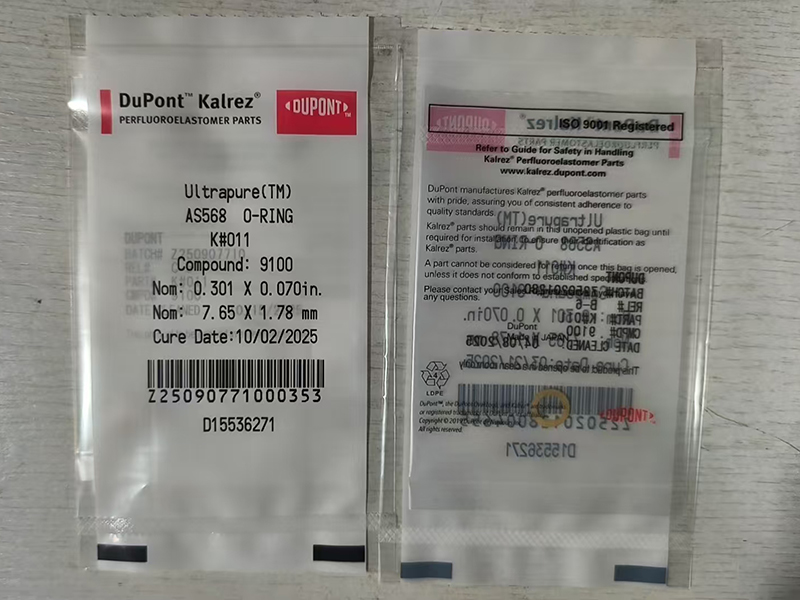
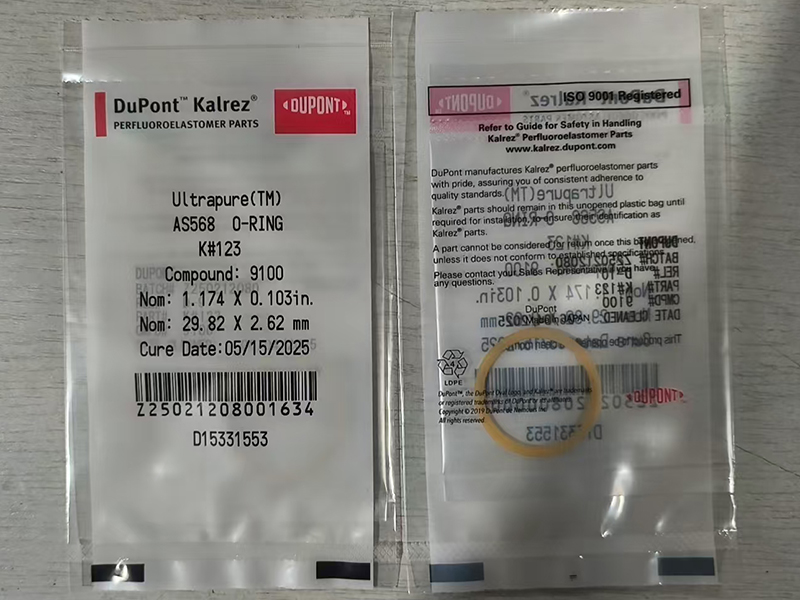
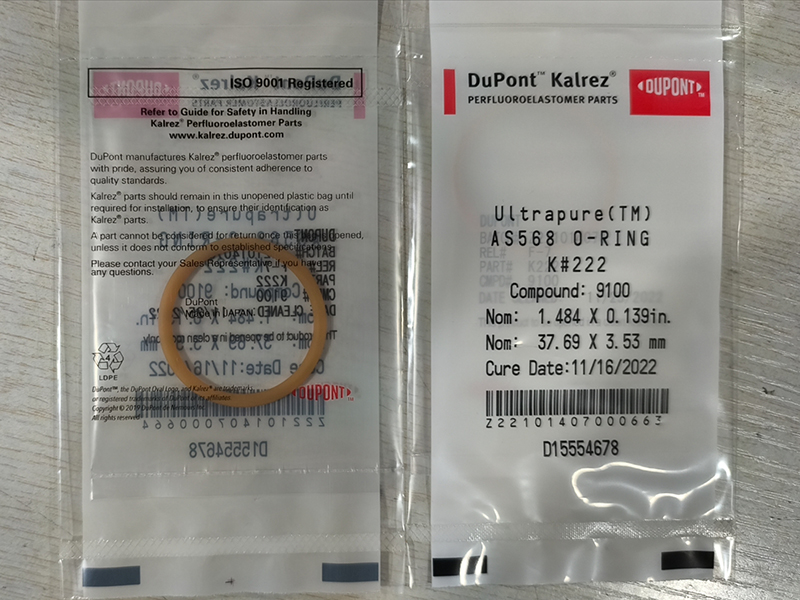
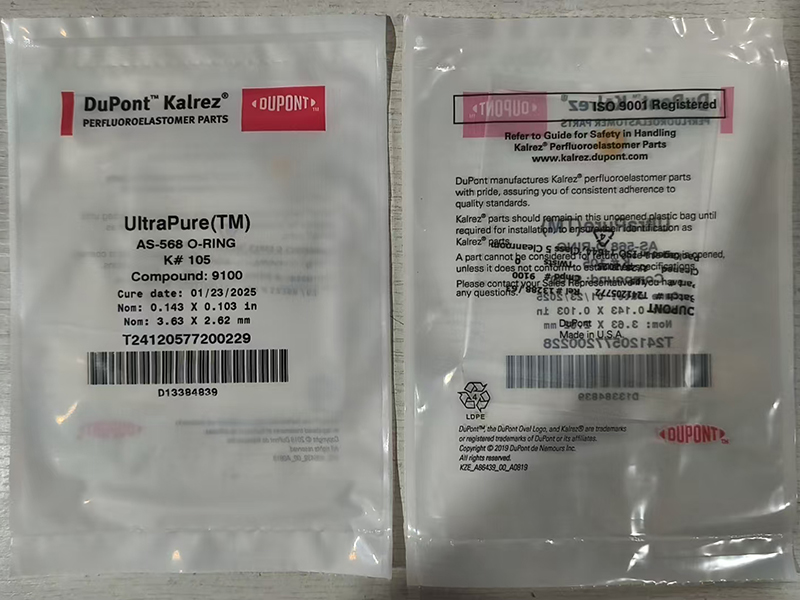
high vacuum transfer valve tests well. Clean every sealing face, inspect the O-ring for nicks and for deformation from storage, tighten the bolts in the specified sequence and to the specified torque, then run the leak test before the chamber goes back into qualification. A joint that leaks at a single bolt position is almost always a torque sequence problem rather than a defective gasket.
Wuxi Hitron Semiconductor Co., Ltd. builds its parts in a 3,000 ㎡ facility, and covers load lock, transfer and process positions with transfer valves, slit valve doors, FFKM seals and electrostatic chucks. Send a model number plus the five points above to +86 18101522032 or Jerry@hitronsemi.com and the replacement can be quoted against the interface it actually serves.