Product Characteristics And Core Classification Of VAT Vacuum Valves
Release time:2026-01-23
Visits:494
VAT Vacuum Valves are key components for zone isolation and airflow control in vacuum systems, specially designed for various vacuum working conditions covering high vacuum, ultra-high vacuum and extreme vacuum environments. With sophisticated design and stable performance, they have become core components of vacuum systems in fields such as precision manufacturing and scientific research experiments. As a professional vacuum valve brand originating from Switzerland, VAT has always focused on component reliability and working condition adaptability to build a product system that meets stringent process requirements.
The core characteristics of VAT Vacuum Valves are reflected in multiple aspects. Valve bodies are mostly made of corrosion-resistant materials such as stainless steel and aluminum alloy, and some models are coated with special layers, which can resist erosion from corrosive and toxic process gases and adapt to different temperature working conditions. Certain products can withstand high temperatures above 400°C, meeting the needs of special scenarios such as vacuum furnaces and thin film deposition. Sealing performance is one of its core advantages: optimized through metal sealing or elastomeric sealing technology, the leak rate can be as low as 10⁻¹² mbar·L/s, which can stably maintain the airtightness of ultra-high vacuum environments. Multiple drive modes are available including manual, pneumatic and electric; pneumatic and electric models enable rapid response and complete opening and closing actions in milliseconds, providing protection for emergency isolation in the event of system failure. In addition, all products are manufactured under cleanroom conditions, and structural optimization reduces particle emissions caused by friction to avoid contaminating the vacuum environment.
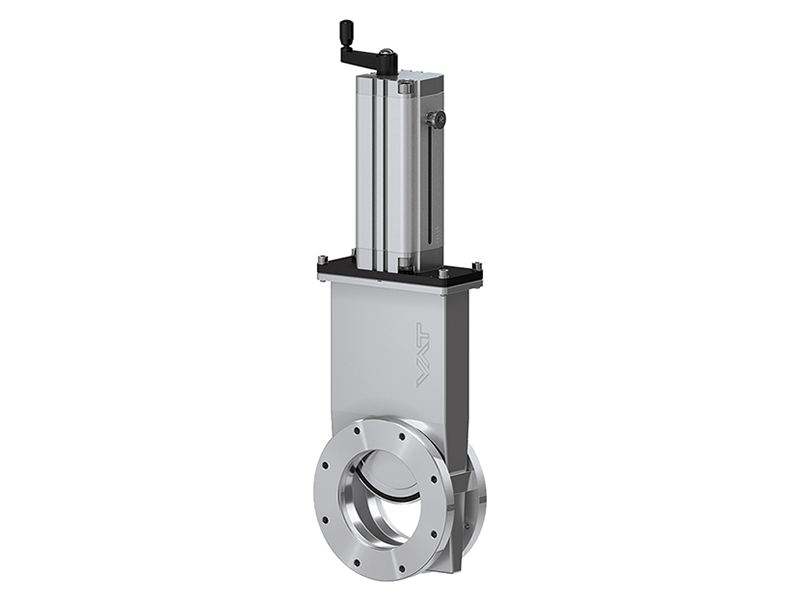
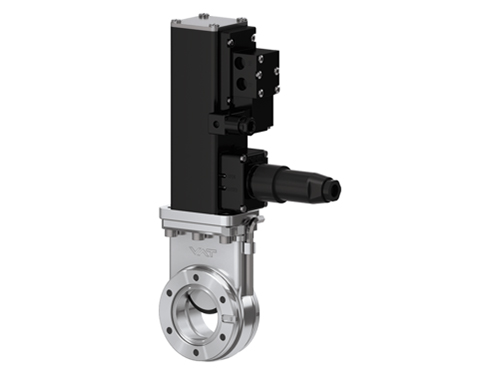
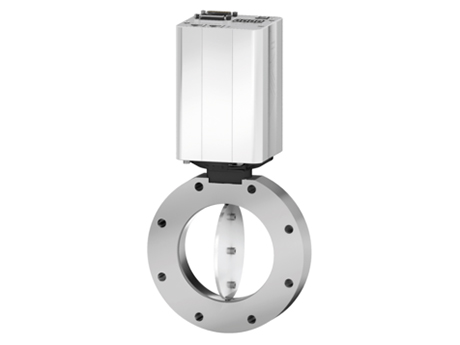
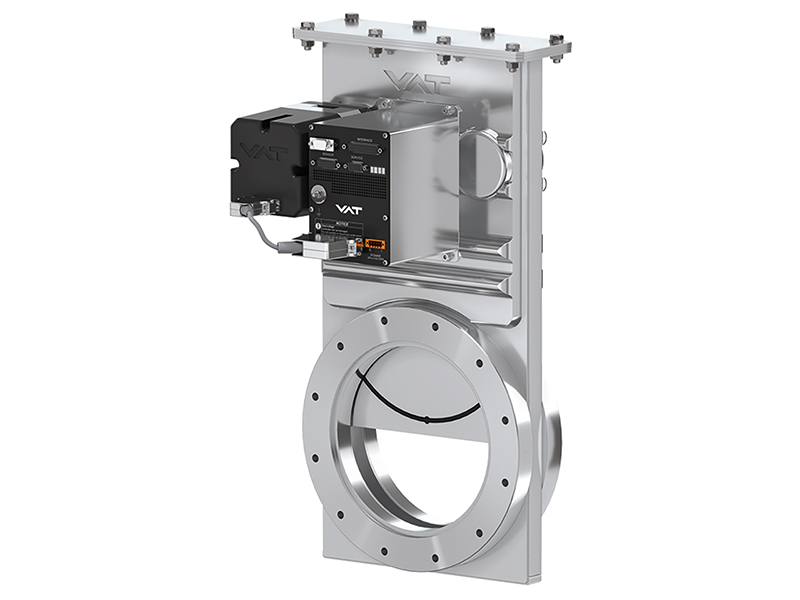
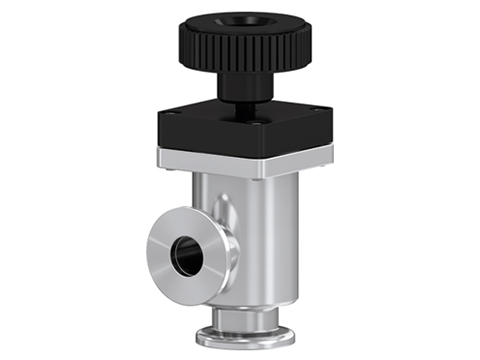
Based on functional and structural differences, VAT Vacuum Valves form a rich classification to adapt to different application scenarios. Vacuum gate valves are commonly used isolation components with a sliding gate mechanism. They feature a fully unobstructed cross-section when open, low flow resistance and small installation depth. Some models are suitable for ultra-high vacuum environments of 1×10⁻¹⁰ mbar, making them ideal for process links requiring stable isolation. Vacuum butterfly valves combine control and isolation functions, regulating airflow by means of a rotating gate plate. They are compact in installation, enable smooth airflow control and are adaptable to a wide range of vacuum pressures. Vacuum angle valves are general-purpose products with a modular structure, convenient maintenance and stable sealing performance, which can meet the needs of most conventional vacuum systems. All-metal vacuum valves are specially designed for extreme working conditions, adopting a metal-to-metal sealing method that can resist the effects of extreme pressure, temperature and radiation, and are applicable to special scenarios such as nuclear fusion devices and space simulation. In addition, there are special models such as gas metering valves, quick-closing valves and check valves, which correspond to specific requirements such as precise airflow metering, emergency protection and anti-backflow contamination respectively.