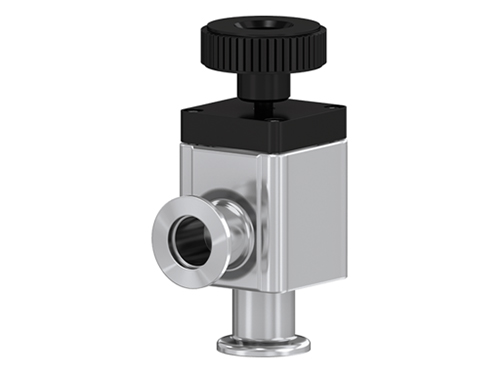
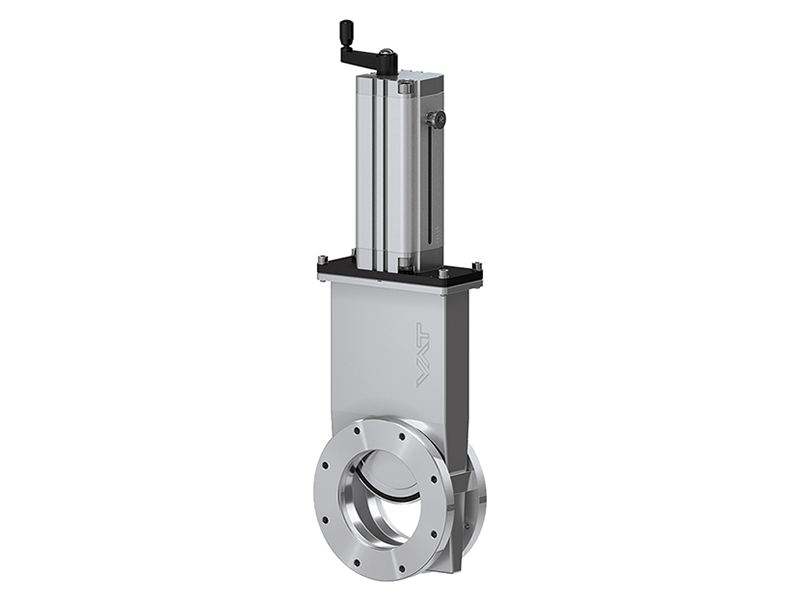
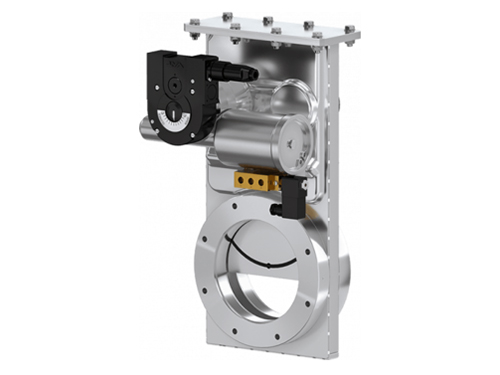
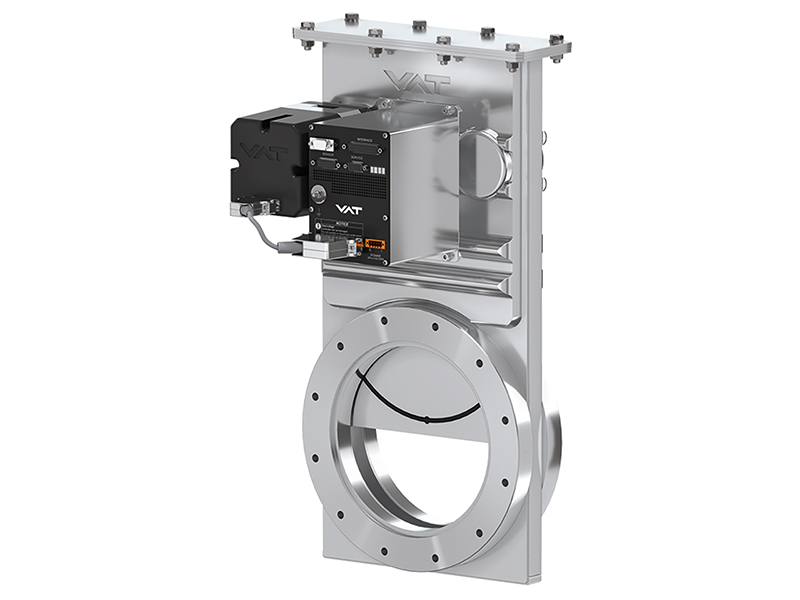
What is a High Vacuum Angle Valve?
A high vacuum angle valve is a specialized valve designed to control gas flow in vacuum systems, typically operating at pressures ranging from ultra-high vacuum (UHV) to high vacuum (HV) levels. Unlike straight-through valves, angle valves redirect flow at a 90-degree angle, which helps reduce the valve’s footprint and allows for easier integration into complex piping systems.
These valves are engineered to maintain vacuum integrity by minimizing leak rates and outgassing, making them essential for applications requiring contamination-free, stable vacuum environments.
Key Features of High Vacuum Angle Valves
Drawing from the VAT 26.4 high vacuum angle valve and similar models, here are the standout features that define these valves:
Uncompromised Flexibility and Reliability
The VAT 26.4 series offers a wide range of actuation options, including manual, pneumatic (single-acting with closing or opening springs, double acting), electromagnetic, and electric stepper motors. This flexibility allows users to tailor the valve to specific process requirements.
Robust Bellows-Sealed Feedthrough
To prevent particle contamination and pressure peaks, these valves incorporate bellows-encapsulated feedthroughs. This design ensures a hermetic seal and long maintenance-free cycles.
Wide Size and Material Options
Sizes typically range from DN 10 (⅜") to DN 160 (6"), with body materials available in aluminum or stainless steel. Sealing materials and flange connections (ISO-KF, ISO-K) are customizable to suit various vacuum regimes and temperature ranges.
Low Leak Rate and High Differential Pressure Resistance
Valve bodies and seats achieve leak rates as low as < 1 × 10^-9 mbar·l/s, ensuring vacuum integrity. They resist high differential pressures up to 5 bar depending on size and actuator type.
Long Service Life
Depending on the actuator, cycles until first service can reach millions (e.g., 3 million for pneumatic actuators), reducing downtime and maintenance costs.