Semiconductor Equipment Components: Definition, Types, And Core Value Analysis
Release time:2026-06-05
Visits:153
In the precision manufacturing chain of the semiconductor industry, the stable operation and performance of equipment rely on the support of numerous semiconductor equipment components. These seemingly small components are actually the invisible cornerstones that ensure the precision, efficiency, and reliability of semiconductor manufacturing—from power supply to environmental control, from material transfer to process accuracy, the zero error in every link depends on the high-quality performance of components.
I. Core Definition of Semiconductor Equipment Components
Semiconductor equipment components refer to various core assemblies and parts used in the manufacturing and operation of semiconductor equipment. They are not independent devices but are deeply embedded inside the equipment, directly participating in key links such as power distribution, gas regulation, and temperature management as functional units. Simply put, if semiconductor equipment is compared to a precision instrument, components are the gears and screws that make up this instrument—unassuming but determining whether the instrument can operate stably.
II. Common Types and Roles of Semiconductor Equipment Components
The ultra-precision nature of semiconductor manufacturing requires components to meet the special needs of different process links. The following are the five most common types of components and their core values in the manufacturing process:
1. Power Supply and Radio Frequency Control: The Energy Heart of Equipment
All processes of semiconductor equipment (such as etching and deposition) require stable power and precise radio frequency signal support. Such components are like the energy managers of the equipment: on the one hand, they provide continuous, non-fluctuating power output for the equipment (to avoid wafer scrapping caused by voltage mutations); on the other hand, they precisely control the frequency and intensity of radio frequency signals—which is the key to ensuring the straightness of etched lines and the uniformity of deposited films. If there is a deviation in power or radio frequency signals, even a slight fluctuation may cause the electrical parameters of the chip to fail.
2. Gas Delivery: The Precision Valve for Chemical Processes
In semiconductor manufacturing, the concentration, pressure, and flow rate of special gases such as silane and ammonia directly determine the effectiveness of processes like thin film deposition and doping. The role of gas delivery components (such as precision valves and flow meters) is to deliver these gases to the process chamber with (háo lí bù chà—without the slightest error): neither too much (to avoid gas waste or process overload), nor too little (to prevent insufficient film thickness), nor mixed (to avoid cross-contamination of different gases). It can be said that the control precision of such components directly affects the yield and performance of chips.
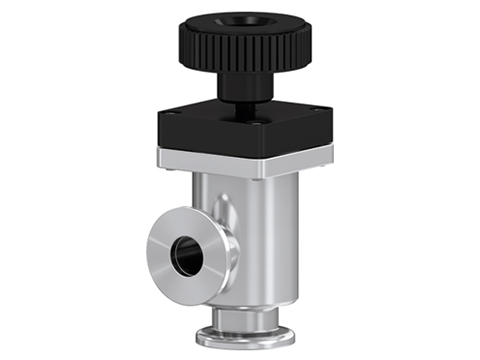
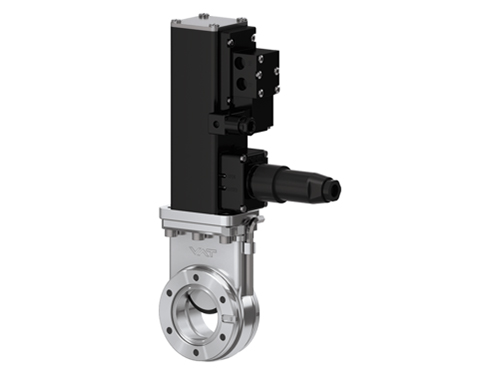
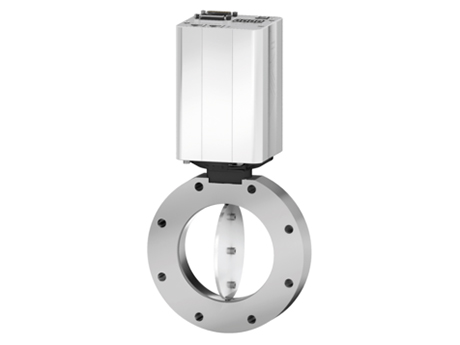
3. Vacuum Control: The Guardian of Dust-Free Environment
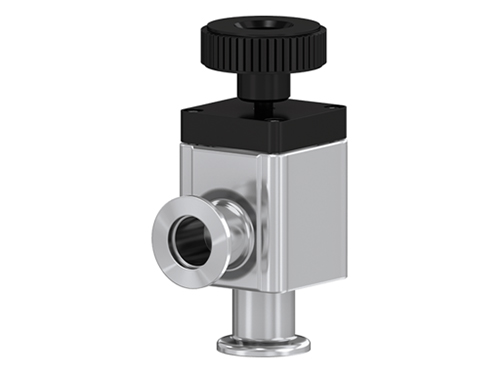
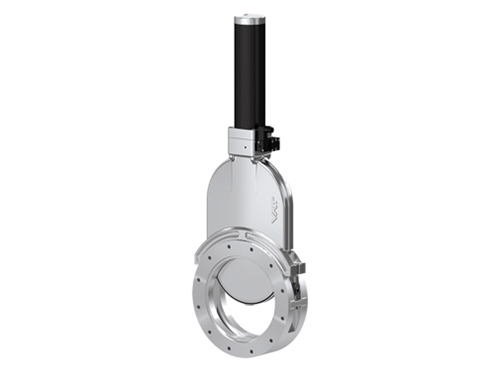
Semiconductor processes (such as lithography and etching) need to be carried out in a high vacuum environment—tiny particles in the air (such as dust and water vapor) can contaminate the wafer surface, leading to chip defects. The core task of vacuum control components (such as vacuum pumps and seals) is to maintain a dust-free space inside the equipment: by continuously extracting air, the pressure in the chamber is reduced to one millionth or even lower of atmospheric pressure; at the same time, high-sealing materials are used to prevent external air from infiltrating. Without these components, chips with advanced processes (such as 3nm and 2nm) cannot be produced at all.
4. Temperature Control: The Stabilizer for Process Precision
Semiconductor materials are extremely sensitive to temperature—the exposure effect of photoresist and the annealing process of wafers all require ±0.1℃ or higher temperature precision. The role of temperature control components (such as heaters, cooling systems, and temperature sensors) is to lock the temperature inside the equipment and of the wafer in the optimal range: for example, heating the wafer during etching to enhance reaction activity, and cooling the chamber during deposition to control the film growth rate. Any temperature fluctuation may lead to process failure or substandard chip performance.
5. Transfer Devices: The Logistics Hub of Production Rhythm
Semiconductor manufacturing is a flow operation, and wafers need to be transferred quickly and smoothly between lithography machines, etching machines, cleaning machines, and other equipment. Transfer device components (such as robotic arms, guide rails, and wafer trays) are like logistics specialists on the production line: they must ensure the absolute stability of wafers (to avoid scratches or breakage), achieve millisecond-level transfer efficiency (to match mass production rhythm); adapt to wafers of different sizes (such as 8-inch and 12-inch), and avoid electrostatic damage (semiconductor materials are extremely sensitive to static electricity). It can be said that the reliability of transfer devices directly determines the production capacity of the entire production line.
III. Core Characteristics of Semiconductor Equipment Components
Components that can support the ultra-precision requirements of semiconductor manufacturing must possess five core characteristics:
- High cleanliness: The number of surface particles is controlled at the single-digit level to avoid contaminating wafers;
- High stability: The vibration amplitude during operation is lower than the nanometer level to prevent process errors;
- High precision: Dimensional tolerances are controlled at the micrometer or even nanometer level to meet the needs of advanced processes;
- High efficiency: The response speed reaches the millisecond level to adapt to the fast pace of mass production lines;
- High reliability: The service life is as long as tens of thousands of hours to reduce equipment downtime (the downtime cost of semiconductor equipment is extremely high).
IV. Industry Trend: From Meeting Demand to Leading Innovation
As semiconductor technology develops towards smaller processes and higher integration, market requirements for components are continuously upgrading: for example, coping with sub-3nm processes requires more high-temperature resistant materials (such as silicon carbide), coping with Chiplet technology requires more compact transfer devices, and coping with AI chips requires more precise power control. For component manufacturers, continuous innovation is not only an inevitable choice to meet market demand but also the key to helping the semiconductor industry break through process bottlenecks—after all, the quality limit of each component is pushing
semiconductor technology forward to more cutting-edge directions.
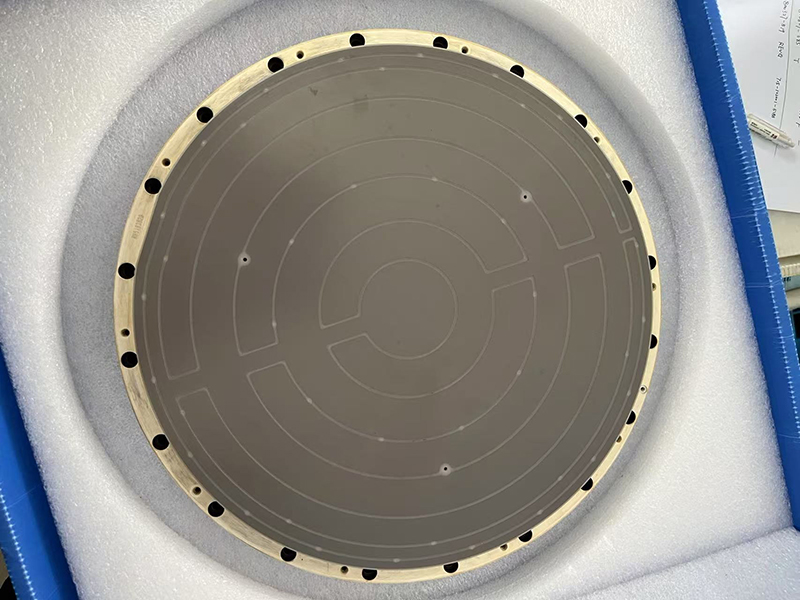
From nanoscale process precision to million-level mass production scale, the invisible power of semiconductor equipment components runs through every link of semiconductor manufacturing. They may not be familiar to ordinary consumers, but they are the underlying cornerstones supporting the entire semiconductor industry—without high-quality components, there would be no advanced semiconductor equipment; without advanced equipment, there would be no smartphones, computers, and AI chips in our hands. It can be said that the strength of semiconductor equipment components, to a certain extent, determines the upper limit of a country's semiconductor industry.