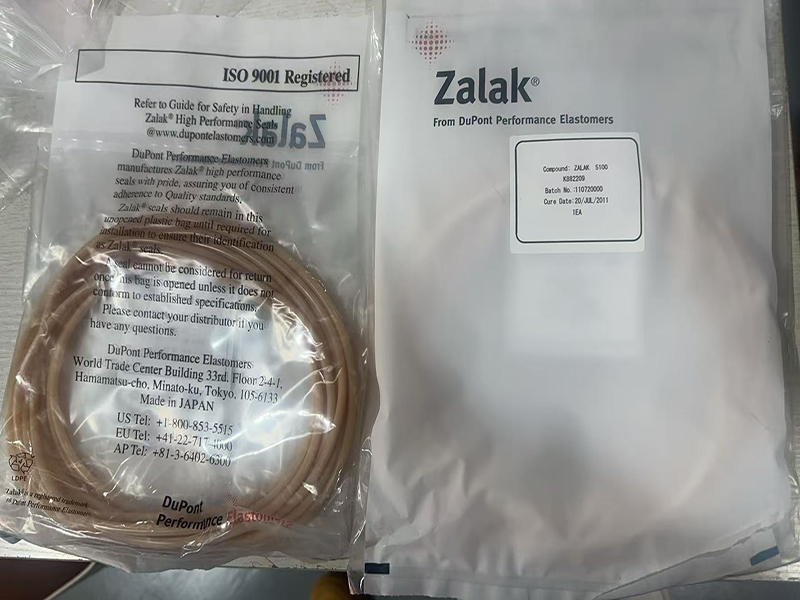
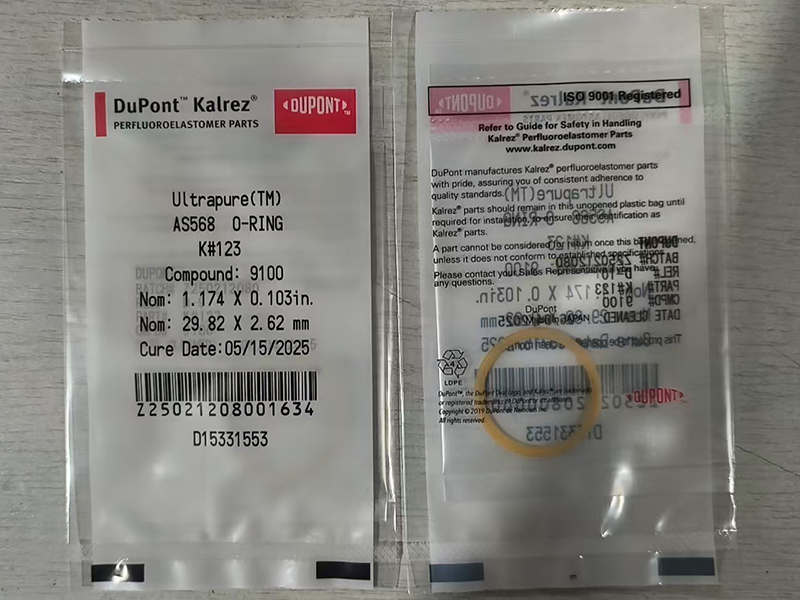
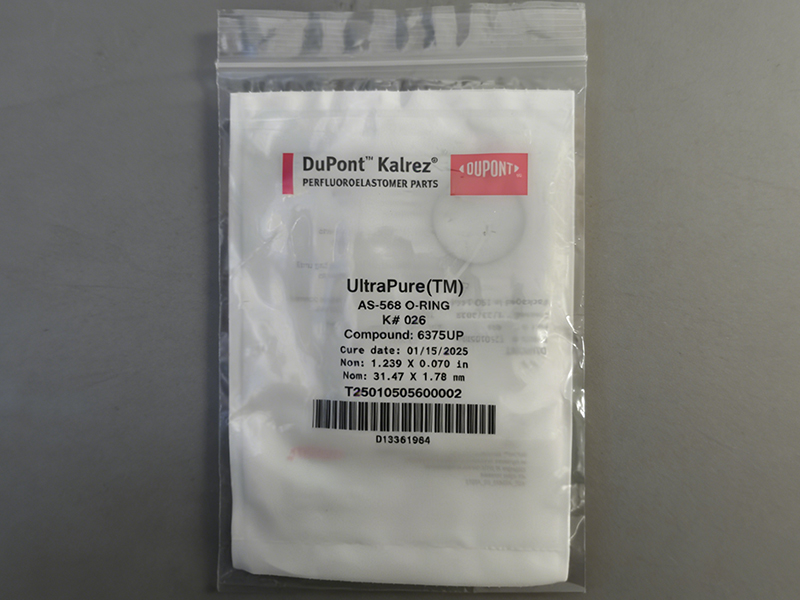
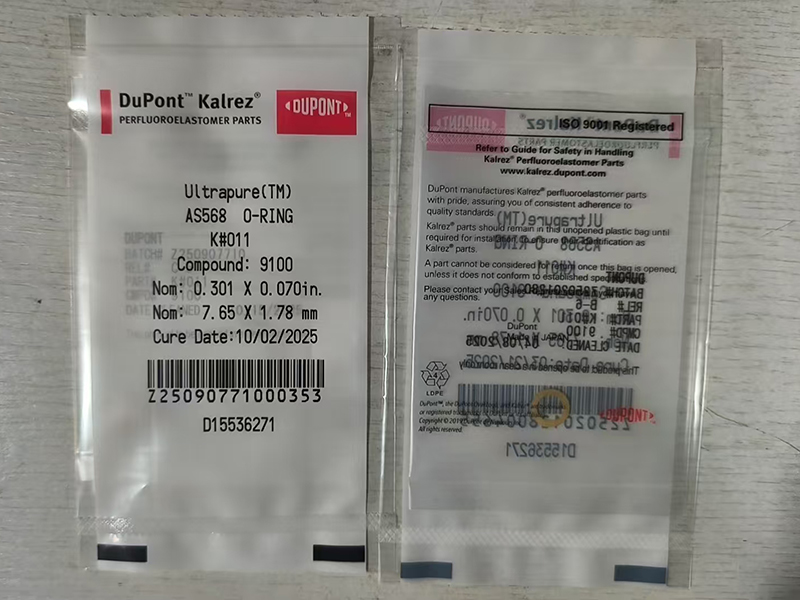
FFKM (Perfluoroelastomer) Seals: The Definitive Guide To Conquering Extreme Temperatures, Aggressive Chemicals, And Critical Semiconductor, Oil & Gas, And Chemical Processing Applications
Release time:2026-08-21
Visits:251
In the hierarchy of elastomeric materials, FFKM (perfluoroelastomer) occupies the summit—a position earned through an uncompromising combination of chemical resistance and thermal stability that no other rubber can approach. If standard elastomers are the infantry of the sealing world, FFKM is the special forces: deployed only when the mission is impossible for anything else, but delivering success rates that justify its extraordinary cost. For industries operating at the frontiers of temperature, pressure, and chemical aggression—semiconductor wafer fabrication, upstream oil and gas exploration, pharmaceutical active pharmaceutical ingredient (API) synthesis, and aerospace propulsion—FFKM is not a luxury; it is frequently the only material capable of maintaining seal integrity.
The Chemistry of Invincibility
To understand why FFKM performs where all other elastomers fail, we must descend to the molecular level. The backbone of an FFKM polymer consists entirely of carbon-fluorine bonds. The carbon-fluorine bond is the strongest single bond in all of organic chemistry, with a bond dissociation energy of approximately 544 kJ/mol, compared to approximately 413 kJ/mol for a carbon-hydrogen bond. Furthermore, the fluorine atom, with its small atomic radius and high electronegativity, forms a tight, protective sheath around the carbon backbone, sterically and electronically shielding it from attack by reactive chemical species. The result is a polymer that combines the chemical inertness of PTFE (Teflon®) with the true elastomeric behavior of rubber—a combination that was once considered chemically impossible.
Standard FKM (fluorocarbon) elastomers typically contain 66-70% fluorine by weight. FFKM takes this to the logical extreme, with approximately 72-75% fluorine content and a fully fluorinated backbone devoid of vulnerable carbon-hydrogen bonds. This seemingly small increase in fluorine content translates into a quantum leap in performance: where a high-grade FKM might survive 1,000 hours in a particular aggressive chemical at 200°C, an FFKM seal in the same environment may last 10,000 hours or more, often surviving until the next scheduled maintenance interval without any signs of degradation.
Performance Envelope: Defining the Limits
The continuous service temperature range of FFKM is staggering. Specialized grades can operate from as low as -40°C (with low-temperature FFKM formulations) up to +325°C, with some compounds surviving short excursions to 350°C. To put this in perspective, 325°C is above the melting point of lead and within the tempering range of many steels. At these temperatures, most organic materials have long since carbonized or vaporized, yet FFKM retains its elastomeric properties and continues to seal.
Chemical resistance is similarly extraordinary. FFKM withstands:
- Concentrated acids: Sulfuric acid (98%), nitric acid (fuming), hydrochloric acid (37%) at elevated temperatures.
- Aggressive solvents: Ketones, esters, ethers, aromatic hydrocarbons, and chlorinated solvents that would reduce standard FKM to a swollen gel within hours.
- Amines and strong bases: Including ethylene diamine, ammonia, and hot caustic solutions that chemically attack the backbone of standard fluorocarbons.
- Plasma environments: Oxygen and fluorine-based plasmas used in semiconductor etch processes, where the combination of reactive radicals and ion bombardment destroys lesser materials through a combination of chemical attack and physical sputtering.
The Semiconductor Imperative
No industry has driven FFKM development more relentlessly than semiconductor manufacturing. Modern logic and memory chip fabrication involves hundreds of process steps, many of which expose seals to conditions of unimaginable severity. Consider a plasma etch chamber: the seal must maintain vacuum integrity at 10^-6 Torr or lower while being bombarded with highly reactive fluorine radicals, subjected to RF energy, and thermally cycled between room temperature and process temperatures that can exceed 200°C. Any degradation of the seal releases particulates that can "kill" nearby die on a wafer worth tens of thousands of dollars. In this context, the incremental cost of an FFKM seal over an FKM alternative is measured against the value of wafers at risk—and the FFKM calculation wins every time.
Key semiconductor FFKM requirements include:
- Low outgassing: Minimal volatile content to prevent chamber contamination.
- Low particle generation: Resistance to erosion under plasma bombardment.
- Excellent compression set resistance: Maintaining sealing force through countless thermal cycles without developing leaks at chamber joints and valve seats.
- High purity: Minimal extractable metals and ionic contaminants that could dope or poison sensitive semiconductor materials.
Oil and Gas: Surviving the Downhole Nightmare
In upstream oil and gas, FFKM seals are deployed in measurement-while-drilling (MWD) tools, downhole safety valves, and completion equipment. The environment combines extreme temperatures (often exceeding 200°C in deep wells), pressures exceeding 15,000 psi, and a fluid cocktail that includes crude oil, methane, hydrogen sulfide (sour gas), carbon dioxide, steam, and an alphabet soup of corrosion inhibitors and stimulation chemicals. Rapid gas decompression (RGD) is a constant threat: when a tool is tripped out of the hole, the pressure reduction can cause absorbed gas to explosively expand within the seal, causing blistering and catastrophic failure. FFKM compounds formulated with high-modulus fillers and specialized crosslink systems provide the best RGD resistance available in an elastomeric seal.
Chemical Processing: Sealing the Unsealable
Chemical plants handling highly aggressive intermediates—such as isocyanates in polyurethane production, acrylates in polymer manufacturing, or halogenated intermediates in pharmaceutical synthesis—have learned through painful experience that standard valve packing and gaskets are a false economy. A leaking valve on a phosgene line or a failed heat exchanger gasket in a nitric acid service is a safety and environmental incident of the highest severity. FFKM seals and gaskets in these services provide a level of assurance that translates directly into regulatory compliance, operator safety, and reduced environmental liability.
The Total Cost of Ownership Equation
Procurement departments that focus solely on the purchase price of an FFKM seal versus an FKM or even PTFE alternative are missing the fundamental point. The true cost of a seal must account for:
- Unplanned downtime: An hour of lost production in a semiconductor fab can cost millions of dollars in lost wafer output. An unscheduled seal change that shuts down a tool for four hours is an economic disaster.
- Labor cost of replacement: The fully burdened cost of the technicians who must isolate, disassemble, clean, reseal, reassemble, test, and recommission the equipment.
- Ancillary damage: A failed seal can allow process fluids into bearing areas, vacuum pump mechanisms, or electrical enclosures, multiplying the repair cost far beyond the seal itself.
- Product loss and liability: A seal failure that contaminates a batch of pharmaceutical product or releases a hazardous substance into the workplace carries costs that can extend to regulatory fines, litigation, and reputational damage.
When all these factors are honestly tallied, the FFKM seal, despite its premium initial price, is almost invariably the lowest-cost option over any meaningful operational lifetime.
Partnering with Our FFKM Experts
We are not merely an FFKM distributor; we are an applications engineering company with deep expertise in extreme-environment sealing. Our FFKM program includes:
- Multiple compound families: General-purpose, high-temperature, low-temperature, plasma-resistant, and RGD-resistant grades.
- Custom geometry: O-rings, gaskets, custom profiles, and bonded seals produced to your exact specifications.
- Engineering support: Finite element analysis of seal performance under your specific conditions.
- Full material certifications: Traceability, compliance with SEMI, NORSOK, and FDA standards where applicable.
If your process has a history of seal failures that cost you money, safety, or sleep, let us apply our
FFKM expertise to your challenge. The conversation costs nothing; the solution could transform your maintenance budget and your peace of mind.