Semiconductor Valves: A Comprehensive Analysis Of Core Fluid Control Components And Market Growth In High-Tech Fields
Release time:2026-06-15
Visits:198
In high-tech industries such as semiconductor manufacturing, power electronics, and communication equipment, precise control of fluid systems is crucial for ensuring product quality and production efficiency—and semiconductor valves are the heart components of this process. From vacuum processes in semiconductor chip production to battery cooling systems in new energy vehicles, they perform core functions of on-off control, flow regulation, and direction change, serving as an important bridge connecting fluids and high-precision production.
I. What are Semiconductor Valves?
Semiconductor valves are specialized valves designed for semiconductor and related high-precision fluid systems. Unlike ordinary industrial valves, they emphasize characteristics of high purity, low leakage, and corrosion resistance. Their core application scenarios include semiconductor vacuum systems, cleaning processes, and special gas transmission, making them essential basic components for the semiconductor industry to move from laboratory to large-scale production.
II. Working Principle of Semiconductor Valves: Simple yet Precise Fluid Switches
The operating logic of semiconductor valves is based on the relative movement between the valve disc and the valve seat:
When the valve stem rotates, it drives the valve disc to rise or fall—when the disc moves away from the seat, the valve opens, allowing the medium (gas or liquid) to pass through smoothly; when the disc fits tightly against the seat, the valve closes, completely blocking the medium flow. This mechanism, though seemingly simple, achieves precise control with zero leakage and millisecond-level response, perfectly meeting the semiconductor industry's strict requirements for impurity-free and high stability.
III. Semiconductor Valve Market: 8.86% CAGR, A Growth Engine for High-Tech Industries
According to market research data, the global semiconductor valve market size will reach USD 3.07 billion in 2026 and is projected to grow to USD 6.59 billion by 2035, with a compound annual growth rate (CAGR) of 8.86% from 2026 to 2035. This growth is driven by both the expansion of the semiconductor industry and technological upgrades.
1. Core Drivers of Market Growth
- Asia-Pacific Region: The Main Engine of Global Demand
As the global semiconductor manufacturing hub (accounting for over 60% of global capacity), the rapid industrialization, urbanization, and water/wastewater treatment needs in the Asia-Pacific region continue to drive demand for semiconductor valves;
- North America: The Demand Side for Technological Upgrades
Accounting for 25% of the global market, chip manufacturing processes are advancing to 7nm, 5nm, and even 3nm, raising higher requirements for high purity and low contamination of semiconductor valves;
- Europe: Rise of High-End Demand
Representing 20% of the global market, the trend toward high-end automotive electronics and communication equipment is driving increased demand for high-performance and high-reliability semiconductor valves.
2. Key Constraints on Market Development
- Fragmented Policies Increase Costs: Varying certification standards for semiconductor valves across countries require manufacturers to adjust products for different regions, raising R&D and installation costs;
- Low Proportion of Specific Valve Types: For example, butterfly valves account for only 15%, limiting market expansion in diverse application scenarios.
3. Emerging Trends in the Next 5 Years
- CVD/ALD Applications Become Mainstream: Chemical Vapor Deposition (CVD) and Atomic Layer Deposition (ALD), core processes in chip manufacturing, have extremely high requirements for high purity of semiconductor valves, with such applications accounting for 30%;
- Surge in Demand for Cleaning Processes: Semiconductor cleaning processes require particle-free and corrosion-resistant valves, with cleaning applications accounting for 25%, driving product upgrades toward zero contamination;
- Great Potential for PVD Applications: Physical Vapor Deposition (PVD), used in chip metal layer preparation, has strict requirements for vacuum tightness, with such applications accounting for 20% and emerging as a new growth point.
IV. Core Application Scenarios of Semiconductor Valves
The value of semiconductor valves lies in safeguarding precision production in high-tech industries, with specific applications including:
- Semiconductor Manufacturing: Controlling the transmission of special gases/liquids in vacuum systems, etching processes, and cleaning steps to ensure stable process environments;
- Power Electronics: Fluid control in cooling systems during the production of IGBTs and power modules to ensure safe equipment operation;
- Communication Industry: Gas regulation in fiber preform production for 5G base stations and optical module manufacturing;
- Automotive Electronics: Precise control of coolants and electrolytes in new energy vehicle battery management systems to enhance battery safety.
V. Conclusion: Semiconductor Valves—The Invisible Core of High-Tech Industries
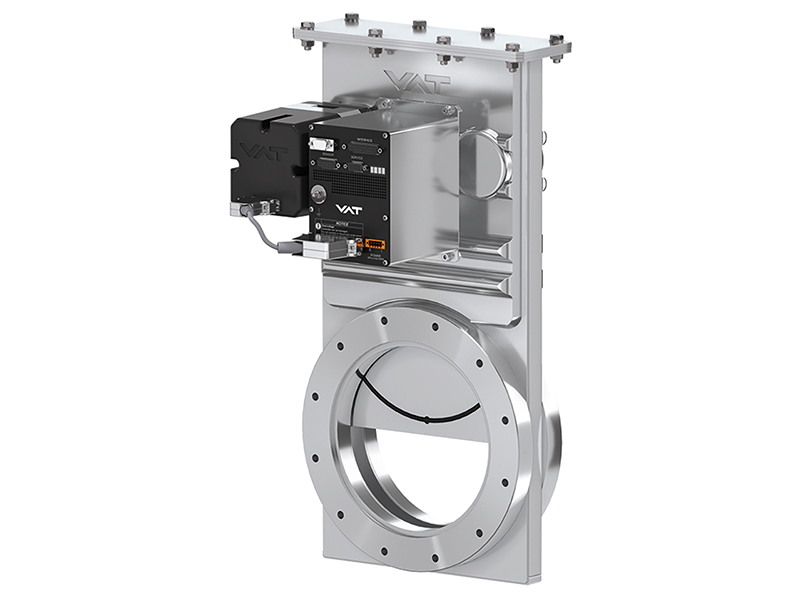
From chip manufacturing to 5G communication, from new energy vehicles to artificial intelligence,
semiconductor valves, though invisible, support the operation of the entire high-tech industry. As the semiconductor industry moves toward more advanced processes and higher integration, the demand for high precision and customization of semiconductor valves will continue to grow. In the future, they will not only be fluid control components but also become a key support for the upgrading of the semiconductor industry.
This article centers on the core keyword semiconductor valves, covering the user's most concerned aspects of definition, principle, market, and applications, while integrating hot trends in the semiconductor industry, satisfying both SEO keyword布局 and providing valuable industry insights for readers.