Edwards Vacuum Pumps: Comprehensive Guide To Working Principles, Applications, And Selection
Release time:2026-08-03
Visits:342
In the field of industrial vacuum equipment, Edwards Vacuum Pumps, manufactured by the British company Edwards, have become a preferred solution in numerous industries due to their reliable performance and wide applicability. As representatives of industrial-grade vacuum equipment, they extract gas molecules through mechanical or physical means to create a stable low-pressure environment for different scenarios, meeting diverse needs from laboratories to semiconductor factories.
I. Core Working Principles of Edwards Vacuum Pumps: Three Types for Different Vacuum Requirements
Edwards vacuum pumps are classified into three types based on their working principles, each corresponding to different vacuum levels and scenarios:
1. Rotary Vane Vacuum Pumps: Practical Choice for Medium-Low Vacuum
Rotary vane vacuum pumps use a rotor to drive vanes in an eccentric rotation within the pump chamber, gradually compressing gas from the inlet to the exhaust port, forming a stable medium-low vacuum environment. They are simple to operate and moderately priced, suitable for scenarios with low vacuum requirements such as laboratory sample pretreatment and small equipment pumping, serving as an entry-level solution for basic vacuum needs.
2. Dry Screw Pumps: Oil-Free and Clean High-End Solution
Dry screw pumps adopt a twin-screw meshing structure,ing gas through screw rotation without any oil involvement. This design fundamentally avoids oil vapor contamination, making them particularly suitable for scenarios with extremely high cleanliness requirements—such as semiconductor manufacturing, where even trace oil contamination can affect wafer quality. The oil-free特性 of dry pumps precisely addresses this pain point.
3. Turbomolecular Pumps: Core Engine for Ultra-High Vacuum
Turbomolecular pumps rely on high-speed rotating blades to impact gas molecules, pushing gas from the inlet to the exhaust port, enabling ultra-high vacuum environments. However, they need to be used with a backing pump and are mainly applied in scenarios requiring extreme vacuum levels such as high-energy physics experiments and precision coating, serving as essential equipment for high-end scientific research and precision manufacturing.
II. Application Fields of Edwards Vacuum Pumps: Vacuum Solutions Across Multiple Industries
From semiconductors to medical care, from scientific research to industry, Edwards vacuum pumps are present in multiple key fields:
1. Semiconductor Manufacturing: Ensuring Process Cleanliness and Yield
In semiconductor production, core processes such as wafer etching and deposition have extremely high requirements for environmental cleanliness. The oil-free design of Edwards dry screw pumps can completely avoid oil vapor contamination of wafers, directly improving chip yield, making them the process guardians of semiconductor factories.
2. Photovoltaic Industry: Supporting High-Quality Production of Thin-Film Batteries
In the manufacturing of thin-film solar cells, coating chambers require a stable ultra-high vacuum environment to ensure uniform coatings. Edwards turbomolecular pumps can precisely maintain this environment, resulting in more uniform battery coatings and higher conversion efficiency, supporting technological upgrading in the photovoltaic industry.
3. Scientific Research and Medical Care: Supporting Stable Operation of Precision Equipment
Particle accelerators and electron microscopes in scientific research, as well as MRI cooling systems in the medical field, all require ultra-high vacuum to maintain equipment performance. The high stability of Edwards vacuum pumps serves as the behind-the-scenes support for these precision devices, ensuring the smooth progress of experiments and medical diagnoses.
4. Industrial Processes: Enhancing Production Efficiency and Product Quality
In industrial scenarios such as food packaging and chemical distillation, rotary vane vacuum pumps can quickly remove air—in food packaging, vacuuming extends shelf life; in chemical distillation, the low-pressure environment reduces the boiling point of materials and improves separation efficiency, making them efficiency tools for industrial production.
III. Core Advantages of Edwards Vacuum Pumps: Why They Are Industry Preferred?
Edwards vacuum pumps hold an important position in the market, with two core advantages:
1. Long Service Life: Reducing Maintenance Costs
Dry designs (such as dry screw pumps) significantly reduce internal wear, resulting in longer mean time between failures. This means enterprises do not need frequent shutdowns for maintenance, lowering long-term operating costs.
2. Energy Efficiency: Reducing Energy Burden
Some models of Edwards vacuum pumps have lower energy consumption compared to traditional pumps, helping enterprises save electricity costs during long-term use and meeting the current demand for green production.
IV. Edwards Vacuum Pump Selection Guide: More Efficient Selection Based on Needs
When selecting an Edwards vacuum pump, three factors should be considered:
- Vacuum Level Requirement: Choose rotary vane pumps for medium-low vacuum, and turbomolecular pumps for ultra-high vacuum;
- Scenario Cleanliness: Prioritize dry screw pumps for clean scenarios such as semiconductors and medical care;
- Operating Cost: Laboratories focus on ultimate vacuum indicators, while industrial scenarios focus on stability and maintenance costs.
Conclusion
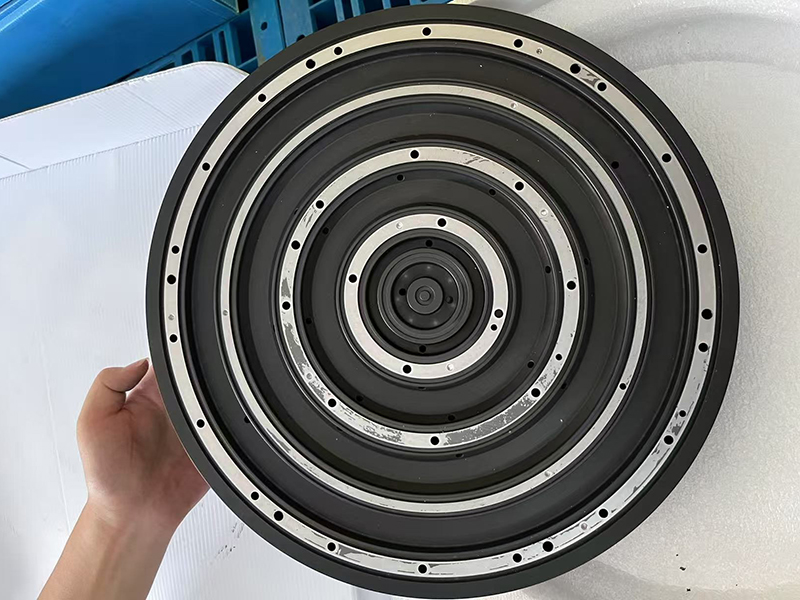
As a representative of industrial vacuum equipment,
Edwards vacuum pumps have become vacuum solution experts for different scenarios through differentiated type designs, wide industry coverage, and advantages of long service life and energy efficiency. Whether you are a semiconductor factory pursuing process cleanliness, a laboratory needing stable vacuum, or an industrial enterprise aiming to improve production efficiency, Edwards vacuum pumps can provide suitable solutions—choosing the right one means choosing stability and reliability.