In-depth Analysis Of The Semiconductor Testing Equipment Industry: Market Size, Trends, And Future Opportunities
Release time:2026-06-22
Visits:242
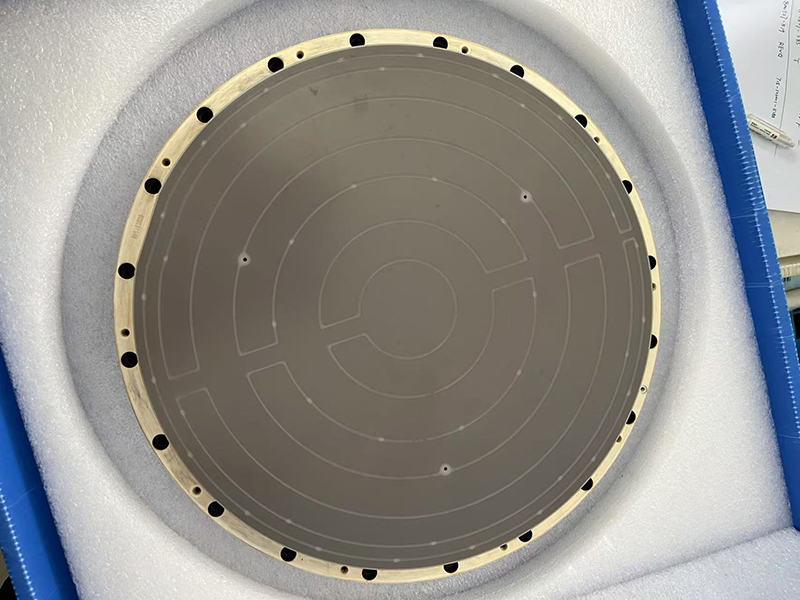
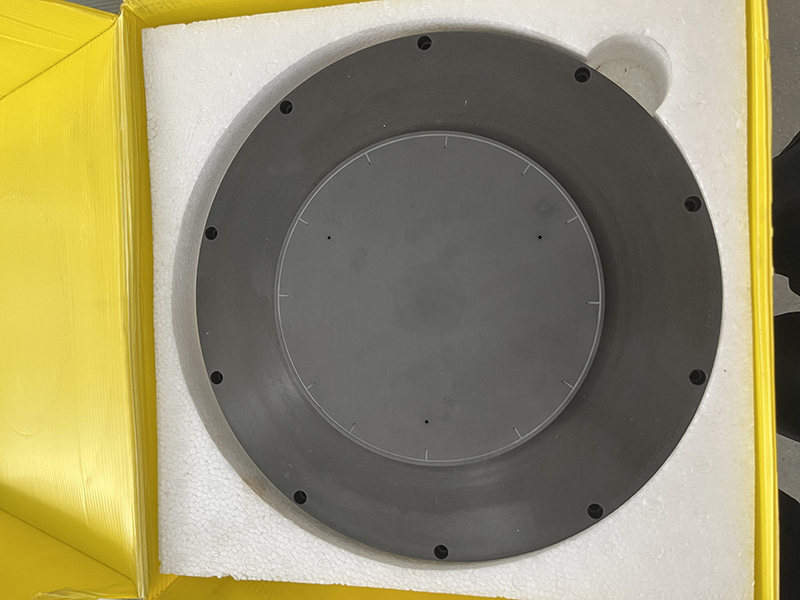
In the semiconductor industry chain, semiconductor testing equipment is a core link to ensure the functionality and reliability of integrated circuits (ICs). From chip design verification to mass production quality control, these devices apply electrical signals and compare output results to ensure each device meets design specifications—not only the final checkpoint before chips leave the factory but also a key support for the yield and efficiency of the entire semiconductor industry. As chip processes advance to 7nm, 5nm, and even more advanced nodes, and with the explosion of emerging applications such as AI and automotive semiconductors, the role of semiconductor testing equipment has upgraded from an auxiliary tool to core industrial infrastructure.
I. Market Size: Steady Growth as Industrial Support
The global semiconductor testing equipment market is in a stage of steady expansion. The market size was approximately $4.34 billion in 2024 and is projected to rise to $5.71 billion by 2033, with a compound annual growth rate (CAGR) of 3.1% from 2025 to 2033. In the longer term, the market size is expected to reach $14.38 billion by 2034, with a CAGR of about 7.35% from 2026 to 2034. Behind this growth is the semiconductor industry's continuous demand for higher yield, faster testing speed, and adaptation to more complex scenarios—whether high-end chips in consumer electronics or automotive-grade devices in the automotive sector, testing equipment is needed to guarantee quality.
II. Market Segmentation: Multidimensional Layout from Products to Applications
The market segmentation logic of semiconductor testing equipment essentially reflects technology adaptation needs:
- Product Type: Semiconductor Automatic Test Equipment (ATE) is the core segment, accounting for 32.89% in 2026, mainly used for chip function verification during mass production; other segments include burn-in systems (simulating long-term operating environments), handling equipment (automating testing processes), and probe stations (wafer-level testing).
- Technical Dimension: Analog testing leads the market with a 30.09% share, adapting to analog devices such as power management chips and sensors; digital testing, mixed-signal testing (combining analog and digital functions), RF testing (high-frequency communication devices), and power semiconductor testing (electric vehicles, photovoltaic fields) correspond to chip needs of different technical routes.
- End Use: The semiconductor manufacturing industry is the largest demand side, as yield control in chip mass production relies on a large number of testing equipment; growth in downstream industries such as consumer electronics, automotive, military and defense, and IT telecommunications drives testing equipment toward customization and high reliability.
III. Market Trends: AI and 3D IC Reshape Testing Logic
Two major current industry trends are changing the core value of testing equipment:
1. AI-Driven Intelligent Testing: Machine learning technology transforms testing systems from passive data collection to active analysis and prediction. By processing test data in real time, AI can equipment failures in advance (predictive maintenance), optimize testing processes (reduce redundant steps), and improve yield (identify potential defects), turning the testing link from a cost center into an efficiency lever.
2. Specialized Testing Solutions for 3D ICs: As chips shift from planar to three-dimensional stacking (e.g., 3D ICs), traditional testing technologies struggle to penetrate complex interlayer structures. Specialized testing systems based on advanced instruments have emerged, enabling precise verification of 3D ICs' vertical interconnections, thermal management, and signal integrity to support the reliability of highly integrated chips.
IV. Regional and Competitive Landscape: Asia-Pacific Dominance, Global Corporate Collaboration
- Regional: The Asia-Pacific region is the global core market, with a 40.49% share in 2025, benefiting from semiconductor industry clusters in China, South Korea, and Taiwan (China); the North American market, with a size of approximately $2.4 billion in 2025 and a 31.38% share, relies on chip design and high-end manufacturing capabilities; Europe, with its industrial foundation and chip investment plans, has become a stable demand market.
- Competitive: The market is jointly dominated by international giants (Teradyne, Advantest, etc.) and local enterprises (Changchuan Technology, Huafeng Technology, etc.). International companies occupy the high-end market, while local players focus on mid-to-low-end or niche areas (e.g., power semiconductor testing) and achieve penetration through technological breakthroughs.
V. Investment Opportunities: Intersection of Technology and Applications
The investment attractiveness of the semiconductor testing equipment market stems from three major logics:
1. Technological Innovation: Iterations in AI, 3D IC, and advanced packaging create new testing needs (e.g., high-performance testing of AI chips, post-packaging system-level testing);
2. Application Expansion: Growth in emerging fields such as automotive semiconductors, AI chips, and industrial IoT drives testing equipment toward high reliability and customization;
3. Policy Support: Global chip localization policies (e.g., the U.S. CHIPS and Science Act, China's chip industry plans) directly drive demand for local testing equipment.
Focusing on core testing equipment for semiconductor manufacturing and enhanced packaging testing solutions will directly benefit from the outbreak of downstream demand.
Conclusion: Testing Equipment—The Invisible Cornerstone of the Semiconductor Industry
From chip design to mass production,
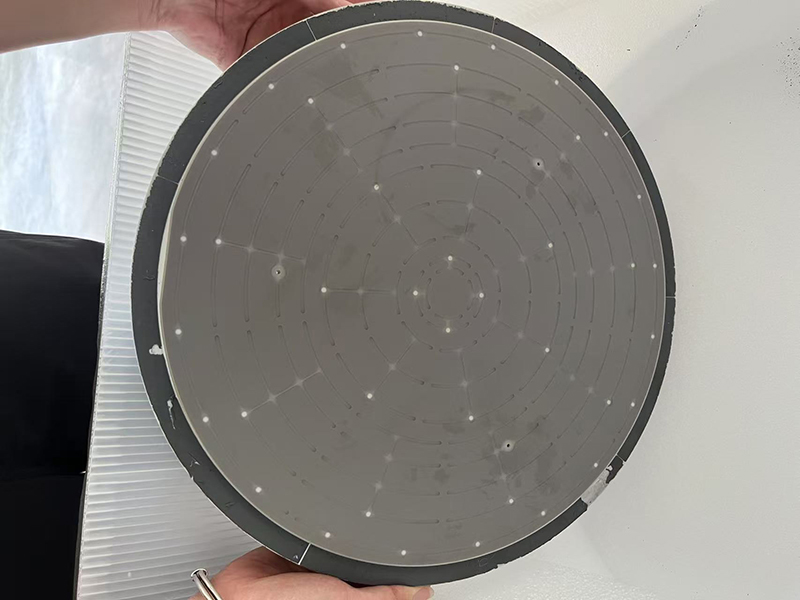
semiconductor testing equipment remains a core support for ensuring quality. With technological progress and demand expansion, this industry is moving from behind the scenes to center stage—it is not only a guardian of yield but also a of new technology implementation. For enterprises, keeping up with AI and 3D IC trends and focusing on core scenarios will be key to future competition; for the semiconductor industry, the upgrading of testing equipment will pave the way for more advanced and reliable chips.