A Detailed Explanation Of Vacuum Butterfly Valves: A Comprehensive Guide To Applications, Features, Selection, And Maintenance
Release time:2026-05-22
Visits:173
In industrial fields such as chemical engineering, building materials, and metallurgy, the stable operation of vacuum systems is directly related to production efficiency and safety—vacuum butterfly valves, as fluid control components specifically designed for vacuum environments, adapt to the stringent requirements of vacuum conditions through their special structure, becoming indispensable precision regulators in industrial piping systems. From chemical medium transportation to vacuum management of power equipment, vacuum butterfly valves are present in multiple critical industrial scenarios, and their performance and selection directly affect the reliability of the entire system.
I. Core Application Scenarios of Vacuum Butterfly Valves: Covering Four Major Industrial Fields
The value of vacuum butterfly valves lies in adapting to fluid control needs in vacuum environments. Here are their most common industrial applications:
1. Chemical Industry: Safe Transportation of Chemical Media
In chemical production, corrosive, volatile, or toxic chemical media (such as acid-base solutions and organic solvents) need to be precisely transported in vacuum environments. Vacuum butterfly valves can stably regulate medium flow, avoid leakage risks, and ensure the continuity of chemical processes—for example, in the vacuum distillation of pesticide and fertilizer production, they are key components for controlling medium flow rate and preventing bumping.
2. Building Materials Industry: Precise Regulation of High-Temperature Gases
In high-temperature gas transmission systems for building materials production (such as cement kilns and glass furnaces), the flow direction and rate of furnace gas need to be strictly controlled. Vacuum butterfly valves can withstand high-temperature working conditions in building materials production (up to over 500°C), ensuring temperature stability during the firing process and contributing to the quality consistency of cement, glass, and other products.
3. Metallurgical Industry: Reliable Control in Extreme Working Conditions
Steelmaking and ironmaking processes in the metallurgical industry often involve high-temperature, high-pressure vacuum environments (such as vacuum degassing furnaces). Vacuum butterfly valves can withstand extreme pressure and temperature, precisely control the discharge of inert gases (such as argon) or flue gas, prevent molten steel oxidation, and ensure the safe operation of metallurgical equipment.
4. Power Industry: Efficient Management of Vacuum Systems
In vacuum systems of power facilities (such as steam turbine condensers and vacuum switches), vacuum butterfly valves are responsible for maintaining system vacuum and fluid management. For example, in the condenser system of thermal power plants, they can regulate the flow of circulating water, improve the thermal efficiency of steam turbines, and are core components ensuring the efficient operation of power equipment.
II. Five Core Features of Vacuum Butterfly Valves: Why They Are the Industrial First Choice?
The wide application of vacuum butterfly valves stems from their structural design and performance advantages that meet industrial needs:
1. Simple Structure and Small Space Occupancy
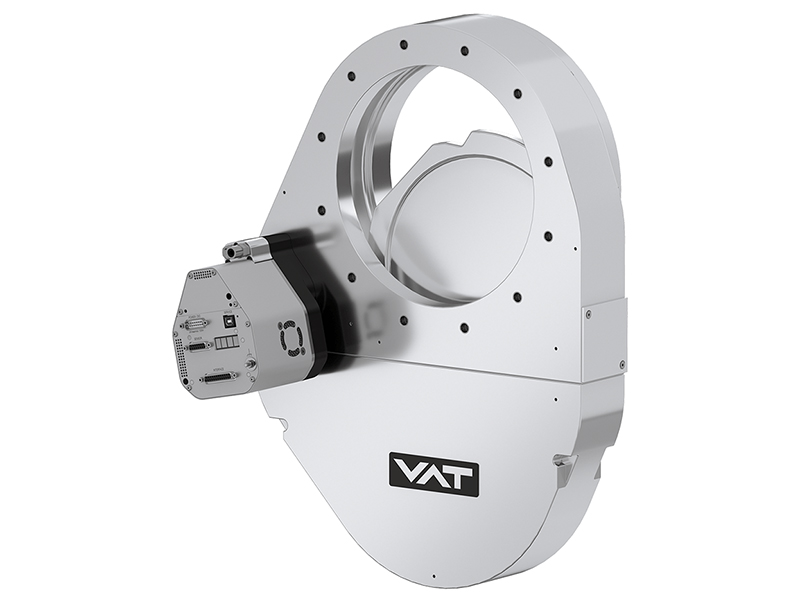
Composed of only a few core components such as the valve body, valve plate, and valve stem, it has a compact structure and occupies only 1/3 of the pipeline space of traditional gate valves, making it particularly suitable for installation in narrow industrial sites (such as pipeline systems in workshop corners).
2. Light Weight and Low Installation Cost
Compared with traditional valves such as gate valves and globe valves, vacuum butterfly valves are more than 50% lighter in weight. No large lifting equipment is required during installation, reducing construction costs and time—this advantage is particularly obvious for installation scenarios at heights or in spaces.
3. Convenient Operation and High Switching Efficiency
Adopting a 90-degree rotation operation mode, whether manual or automatic control, opening/closing takes only a few seconds. For example, in automated production lines, electric vacuum butterfly valves can be remotely controlled through PLC systems, greatly improving process switching efficiency.
4. Precise Flow Regulation, Adapting to Fine Requirements
The rotation angle of the valve plate (0-90 degrees) has a linear relationship with the flow rate, enabling precise regulation from fully closed to fully open. This feature makes it suitable for industries with high flow precision requirements such as fine chemical engineering and pharmaceuticals (such as the vacuum concentration of drug extraction).
5. Reliable Sealing and Strong Leakage Prevention Ability
The sealing structure designed for vacuum environments (such as fluororubber and metal seals) can effectively prevent gas leakage and ensure the pressure stability of the vacuum system. Even after long-term use, the seals can maintain good performance, avoiding production interruptions caused by leakage.
III. Two Types of Vacuum Butterfly Valves: Choosing the Right Valve Based on Vacuum Degree
Different vacuum environments have different requirements for valve sealing performance. Vacuum butterfly valves are mainly divided into two types:
1. Ordinary Vacuum Butterfly Valves: Suitable for Low Vacuum Scenarios
Using fluororubber or nitrile rubber as sealing materials, they are suitable for low vacuum environments (vacuum degree ≤ 10⁻³Pa), commonly found in food packaging (such as vacuum sealing machines) and vacuum systems of small chemical equipment—economical in price and able to meet regular industrial needs.
2. High Vacuum Butterfly Valves: Adapting to High Vacuum Working Conditions
Using metal seals (such as stainless steel and copper alloys), they can withstand high vacuum environments (vacuum degree up to 10⁻⁶Pa or higher), suitable for fields with extremely high vacuum degree requirements such as semiconductor manufacturing (such as vacuum chambers for chip production) and aerospace simulation (such as space environment simulation chambers)—with better sealing performance but relatively higher cost.
IV. Vacuum Butterfly Valve Selection Guide: Four Steps to Choose the Right Valve for You
The key to selecting the right vacuum butterfly valve is matching working condition requirements. The following four suggestions will help you avoid selection mistakes:
1. Clarify Vacuum Degree Requirements: First See How 'Empty' the Environment Is
Vacuum degree refers to the degree to which the gas pressure in the system is lower than atmospheric pressure (the smaller the value, the higher the vacuum degree). If it is a general industrial scenario (such as food vacuum packaging), choose an ordinary vacuum butterfly valve; if it is a high-precision field such as semiconductors or aerospace, an high vacuum butterfly valve must be selected.
2. Choose the Operation Mode: Manual or Automatic?
- Manual butterfly valves: Low cost, suitable for scenarios that do not require frequent operation or remote control (such as workshop backup pipelines);
- Electric/pneumatic butterfly valves: Convenient to operate, suitable for automated production lines (such as fluid control of chemical continuous reaction kettles), and can realize remote switching and regulation through control signals.
3. Budget and Long-Term Costs: Don't Just Look at Initial Price
Manual
butterfly valves have low initial purchase costs, but frequent manual operation will increase labor costs; electric/pneumatic butterfly valves have high initial investment but can reduce manual intervention, and are more suitable for factories with a high degree of automation in the long run—it is recommended to choose based on the automation needs of the production process.
4. Match Installation Conditions: Pipes and Media Should Be Compatible
- Pipe size: Confirm that the nominal diameter of the valve (such as DN50-DN1000) is consistent with the pipe;
- Pipe material: When transporting corrosive media, a corrosion-resistant valve body (such as 304 stainless steel) needs to be selected;
- Medium characteristics: For high-temperature media (such as building materials kiln gas), high-temperature resistant sealing materials (such as metal seals) should be selected to avoid seal aging.
V. Vacuum Butterfly Valve Maintenance Tips: Four Keys to Extend Service Life
Proper maintenance can extend the service life of vacuum butterfly valves by more than 30%. Here are specific operation suggestions:
1. Regular Inspection: Monthly Health Check
Check the sealing performance (such as whether there is a leakage sound, vacuum degree drop) and mechanical components (whether the valve stem is stuck, whether the valve plate is deformed) of the valve at least once a month. If abnormal vacuum degree is found, the seals need to be replaced in time.
2. Clean the Valve Body: Quarterly General Cleaning
Use dry compressed air to blow off dust and impurities from the outside and inside of the valve body to prevent impurities from entering the sealing surface and affecting performance. For valves transporting viscous media (such as chemical slurry), the valve plate and sealing surface need to be disassembled and cleaned.
3. Valve Stem Lubrication: Semi-Annual Joint Maintenance
Apply special grease (such as silicone-based grease) to the valve stem every six months to reduce friction during rotation and prevent the valve stem from rusting or jamming. Note not to use ordinary engine oil, as it will contaminate the seals.
4. Avoid Misoperation: Prevent Man-Made Damage
Do not use excessive force during manual operation (to avoid bending the valve stem). For electric/pneumatic valves, regularly test the stability of control signals (such as whether the PLC signal is normal) to prevent valve damage caused by misoperation.